In Aikido, knowing less can sometimes help you learn more.
Walk into an Aikido dojo for the first time and everyone seems to know something you don't.
They know when to bow. They know where to stand. They recognise the Japanese words. They know how to fall without looking particularly concerned about the floor rushing towards them.
And then there's you.
Trying to work out which foot goes where.
That can feel like a disadvantage.
In many ways, it isn't.
Japanese martial arts have a useful idea for this: shoshin (初心) — usually translated as beginner's mind.
It means approaching something with openness, curiosity and a willingness to learn, rather than being constrained by what you think you already know.
And in Aikido, that is a very good place to start.
You are not expected to know anything
One of the most common worries adults have before trying Aikido is that everyone else will be more experienced.
They probably will be.
That's why you're the beginner.
Nobody walks into their first class knowing how to perform ikkyo, take ukemi or understand dojo etiquette. Those things are learned through training.
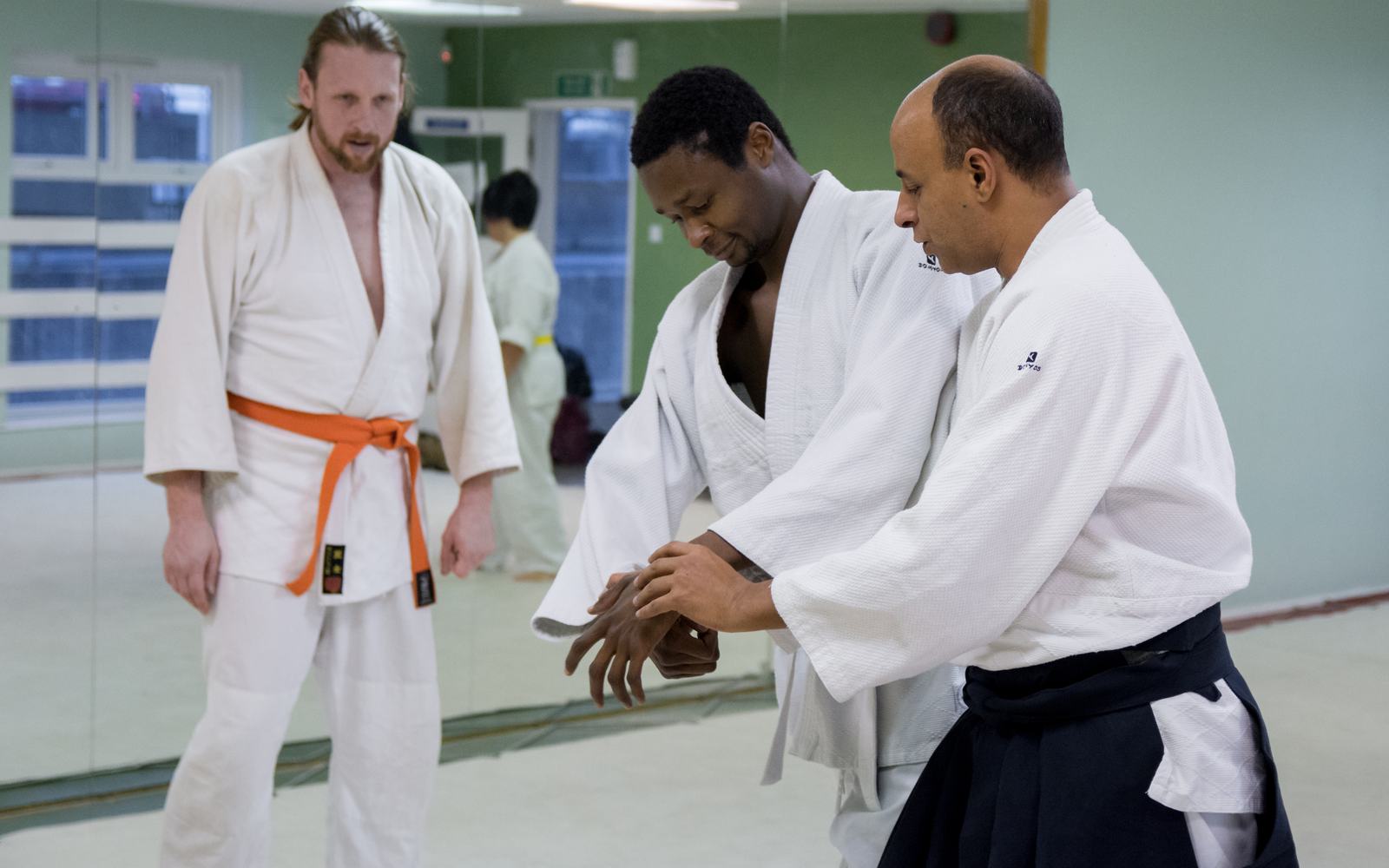
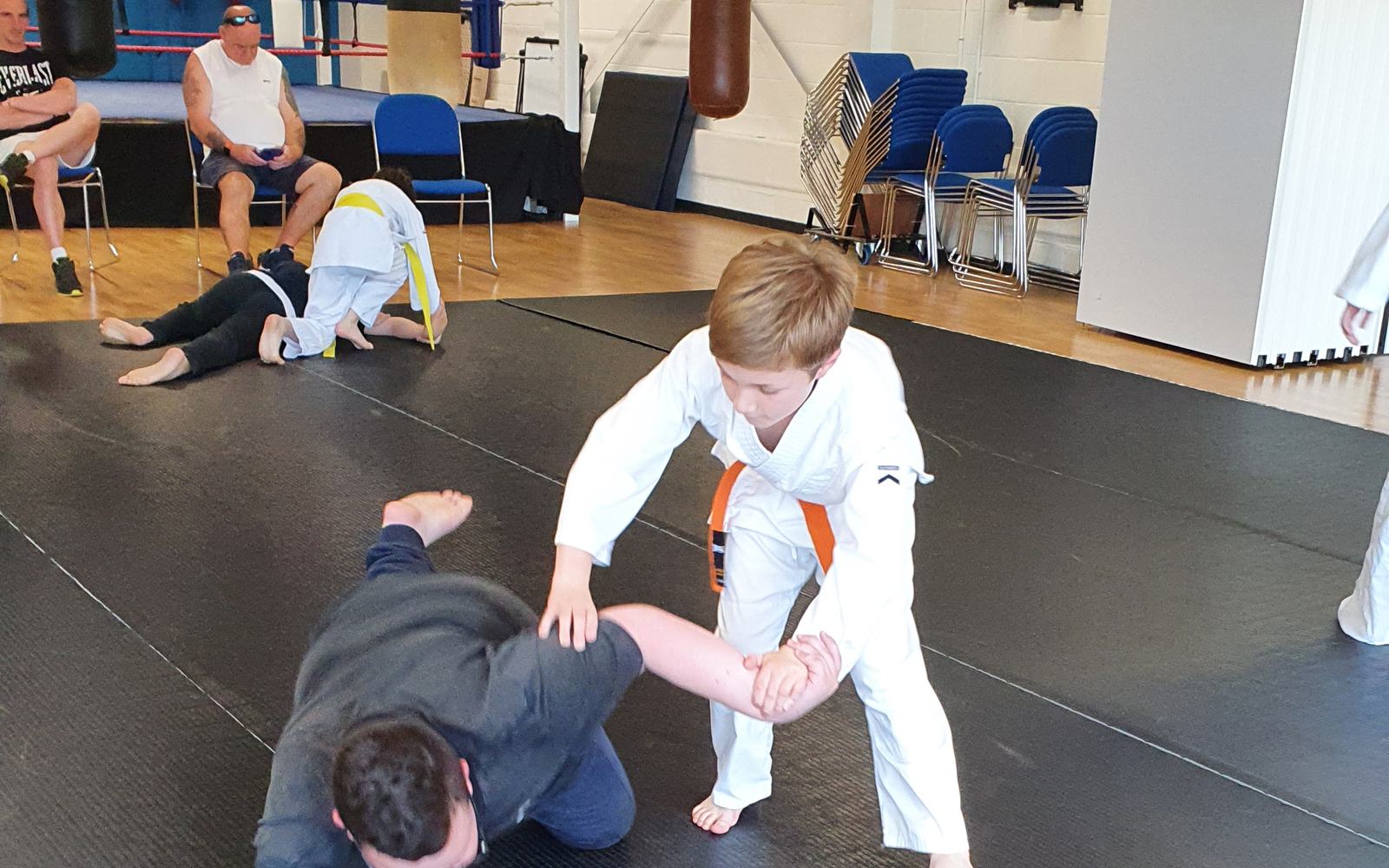
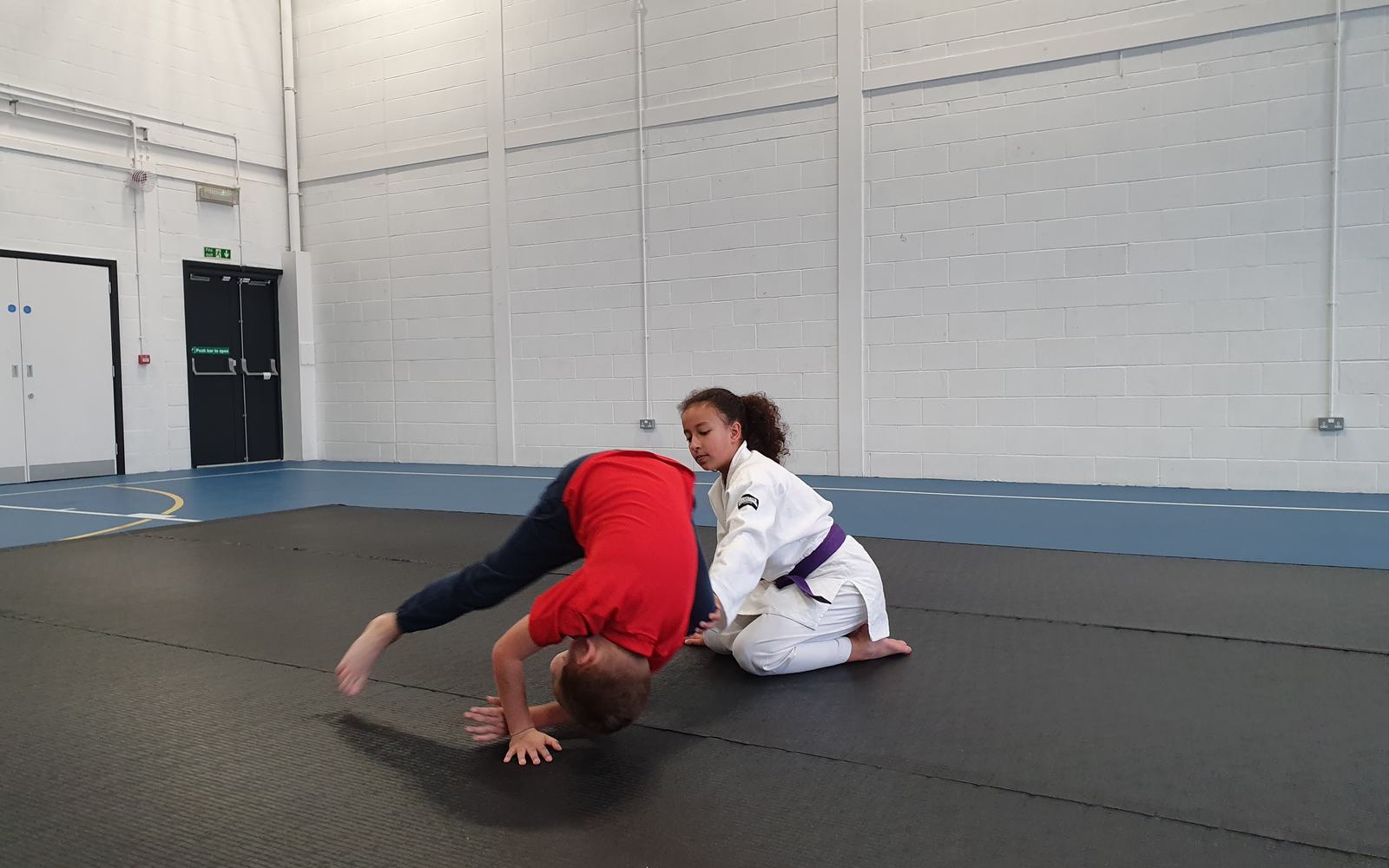
At Hizashikan Aikido in Coventry, beginners are introduced to training gradually. You learn how to move, how to work safely with a partner and, importantly, how to fall and get back up again.
Nobody is waiting for you to impress them.
You came to learn.
That's enough.
The problem with already knowing
Something interesting happens as we become experienced at anything.
We develop assumptions.
We anticipate what comes next.
Sometimes we stop properly looking because we think we've seen it before.
A beginner doesn't have that luxury.
They watch.
They ask.
They experiment.
They make mistakes.
Then they try again.
That is shoshin.
The beginner may lack technique, but they possess something experienced students have to work deliberately to recover:
an empty cup.
A black belt still needs a beginner's mind
Shoshin isn't something you graduate from.
In fact, the longer someone practises Aikido, the more important it can become.
A technique you've practised hundreds of times can still reveal something new: a change in distance, timing, balance, posture or connection.
The moment we decide we have mastered something completely is often the moment we stop learning from it.
So the beginner and the senior student are not quite as different as they first appear.
Both are trying to understand the same thing.
One simply has more questions.
The wiser one knows there are still more questions to come.
Being bad at something is allowed
Adults aren't always very good at being beginners.
Children expect to learn things.
Adults expect themselves to already know things.
We become accustomed to competence in our jobs and daily lives, and suddenly standing on a mat unable to coordinate our own feet can be wonderfully humbling.
Aikido gives you permission to be bad at something again.
To laugh when it goes wrong.
To try again.
To improve by a tiny amount.
Then come back next Saturday and improve by another tiny amount.
There is something liberating about that.
Your first step into Aikido
If you've been thinking about trying Aikido but worry that you're too old, too unfit, too inflexible or simply don't know what you're doing, remember:
not knowing what you're doing is the one qualification every beginner already has.
The rest can be taught.
At Hizashikan Aikido, we welcome complete beginners to our Saturday classes in Coventry. Your first class is free, and you don't need previous martial arts experience to come along.
You don't have to understand Aikido before you begin.
That's rather the point.